

Solve Professional Home Photography Challenges.
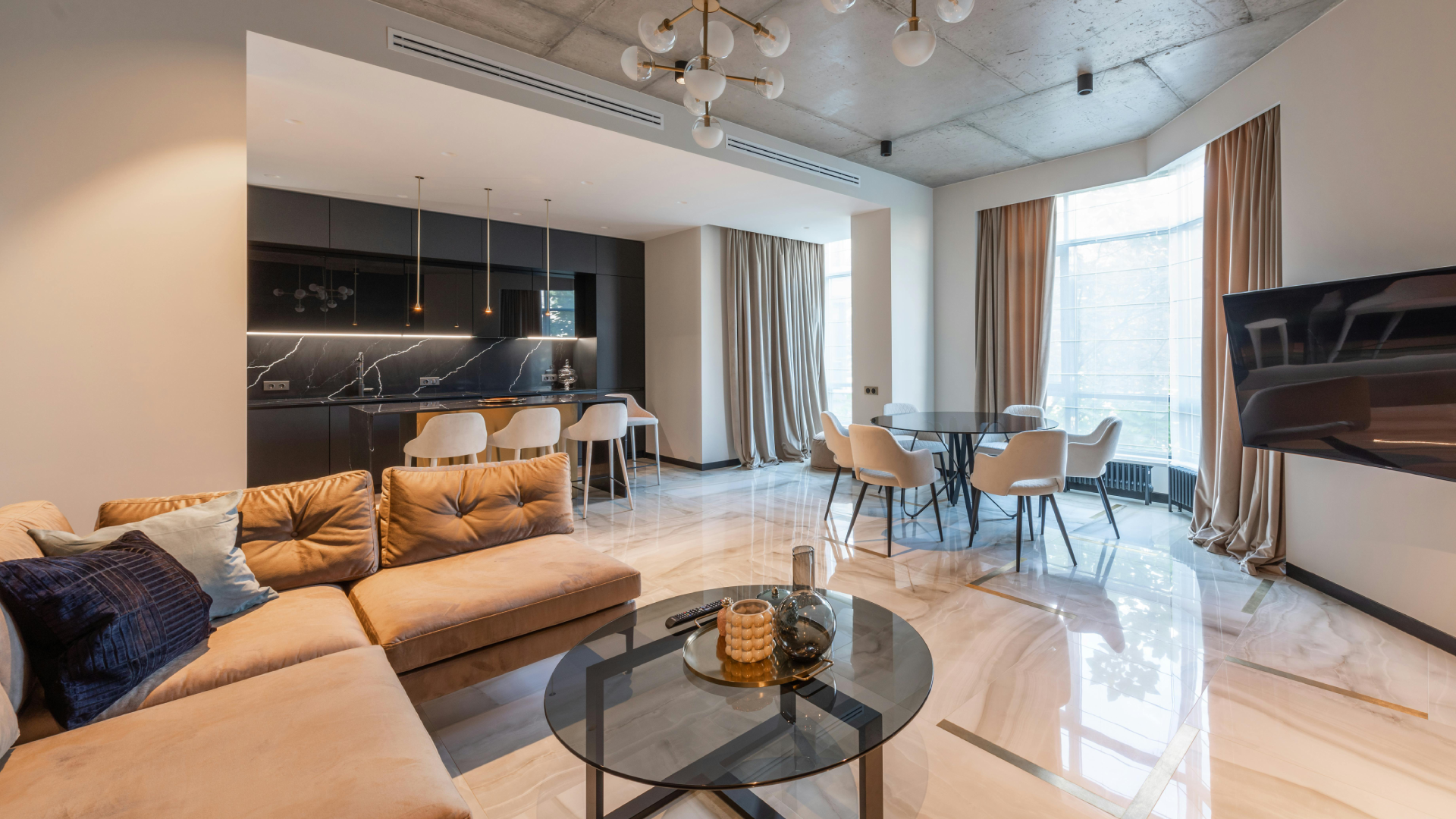
Professional home photography brings properties to life, showcasing not just brick and mortar but a vision of living. It’s an art and science, combining creativity with technical prowess. Whether capturing a cozy apartment or a sprawling mansion, every shoot demands a keen eye and a unique approach. However, even seasoned photographers face hurdles along the way. Common challenges include lighting issues, space constraints, and unpredictable outdoor conditions. These obstacles can make or break a photoshoot, impacting the final images.
Addressing these challenges requires thoughtful strategies and practical solutions. Knowing how to adapt and overcome difficulties ensures your photography is consistently high quality. By exploring each challenge step-by-step, professional photographers can find new ways to enhance their work and deliver stunning images that captivate. Let’s delve into some of these challenges and how to tackle them effectively.
Understanding Common Challenges in Professional Home Photography
Professional home photographers often juggle various elements during a session. From managing light sources to finding the best angles, it can be a balancing act. Here are some of the most frequent hurdles and how to address them:
1. Light Variation:
- Photoshoots can suffer from inconsistent lighting.
- Both interior and exterior lighting influence the mood of an image.
- Using tools like reflectors and diffusers can balance natural and artificial light.
2. Space Limitations:
- Small or cluttered spaces can restrict movement and creativity.
- Employing wide-angle lenses and strategic positioning helps to maximize available space.
3. Outdoor Unpredictability:
- Weather changes, shadows, and timing can disrupt an outdoor shoot.
- Scheduling shoots at optimal times and carrying portable equipment ensures you’re prepared for surprises.
Navigating these challenges calls for adaptability and planning. As the saying goes, "forewarned is forearmed," meaning that knowing common hurdles allows photographers to prepare and respond effectively, ensuring each property is shown in its best light.
Lighting Issues and How to Overcome Them
Proper lighting transforms an ordinary photo into something extraordinary. It's all about using shadows and highlights to create depth and interest. However, lighting remains one of the most tricky aspects to master. A photographer might face different lighting challenges depending on the time of day, location, and weather conditions.
- Natural Light: This is often the most desirable source but comes with its own set of problems, like harsh midday sunlight casting strong shadows. The best times to shoot are generally in the early morning or late afternoon when the sun casts a soft, flattering light, known as the "golden hour."
- Artificial Light: Balancing fluorescent or LED lights with natural light can be challenging. Use light modifiers to mellow harsh fixtures, and consider adjusting your camera’s white balance settings to match light conditions.
- Twilight Shoots: Ideal for homes with impressive outdoor lighting setups, twilight can produce eye-catching results. Arrive early, still during daylight, to set up and prepare your shots. Ensure you have additional portable lighting, should the need arise.
Finding solutions to lighting challenges is crucial to creating high-quality images. Photographers often bring a kit with additional lights, diffusers, and reflectors to adapt to various lighting environments. Practising with different setups ensures more control over the final result, sidestepping common pitfalls and producing vibrant, inviting images.
Handling Space Constraints
Photographing in small or cluttered spaces can present its own unique set of challenges. It's not easy to make tight spots look inviting and spacious without the right techniques. The key lies in using whatever space is available to fool the eye into seeing more room than there actually is. This is where your choice of lens and angle becomes crucial.
- Wide-Angle Lenses: Perfect for small spaces, these lenses capture more of the room in a single shot, making spaces appear larger. They allow for detailed and sweeping views that can look quite dramatic.
- Strategic Angles: Instead of shooting directly at a wall, try positioning the camera to capture a corner or two adjoining walls. This creates a sense of depth and expansiveness.
- Staging: Less is often more in small spaces. Declutter the area and arrange furniture thoughtfully to highlight the space. Removing personal items can help prospects imagine the room as their own.
When space is limited, getting creative with your gear and positioning helps transform even the most cramped quarters into an inviting scene. Exploring different camera heights and perspectives can lead to more dynamic and engaging images, sparking imagination.
Dealing with Outdoor Conditions
Outdoor shoots come with plenty of variables, from unpredictable weather to shifting shadows. Being flexible and prepared helps mitigate these issues and capture the best possible photos of properties. Here’s how you can handle these outdoor challenges:
- Weather Watch: Keep an eye on weather forecasts to plan your shoot around conditions that complement the property. Cloudy skies often provide softer lighting, which reduces harsh shadows and makes colours pop.
- Timing Is Everything: Planning shoots around natural light changes can greatly improve your photos. Early morning or late afternoon are typically ideal as the light is softer and more diffuse, reducing glare and hard shadows.
- Be Prepared: Always have essential gear like tripods, filters, or portable lights that can help accommodate unexpected changes. This ensures you’re ready to adapt your techniques to whatever Mother Nature throws your way.
Each of these proactive steps ensures that outdoor photography consistently meets client expectations. Having a backup plan for every scenario guarantees you're ready to capture stunning images, showcasing properties in the best light.
Mastering Camera Settings and Equipment
Understanding your camera’s settings and having the right equipment can significantly impact the quality of your photos. It's not just about having the latest camera but knowing how to use it effectively. Here’s what you need to consider:
- Camera Settings: Balance between ISO, shutter speed, and aperture to get the sharpest images. Practice different settings to find what works best in various lighting scenarios.
- Tripods and Stabilizers: Stability is key to preventing blurry images. Using a tripod or stabilizer can keep images sharp and clear, particularly in low light conditions where longer exposures are necessary.
The right blend of technical skills and equipment can set your work apart, delivering clear and compelling images that speak to potential buyers.
Mastering Professional Home Photography Challenges
Professional home photography offers unique challenges, but by recognising and addressing common issues, you can ensure your images always hit the mark. Implementing these strategies not only helps overcome typical photographer headaches but also elevates the quality of your work.
If you’re keen to make your property photos exceptional and minimise common pitfalls, a thoughtful approach combined with skill can make all the difference. Whether it’s tackling lighting problems, working around space constraints, or dealing with unpredictable weather, the right preparation and mindset can turn challenges into opportunities. By focusing on these elements, you ensure every property photo tells a compelling story, capturing the attention and imagination of viewers.
Enhance your photography skills and capture stunning images that truly reflect the essence of a property by learning from a skilled professional home photographer. At Focl Media, we understand the challenges that come with lighting, tight spaces, and unpredictable weather. Our team is here to bring out the best in every property shoot with creative and practical solutions that make a real difference.