

Overcome Lighting Challenges in Real Estate.
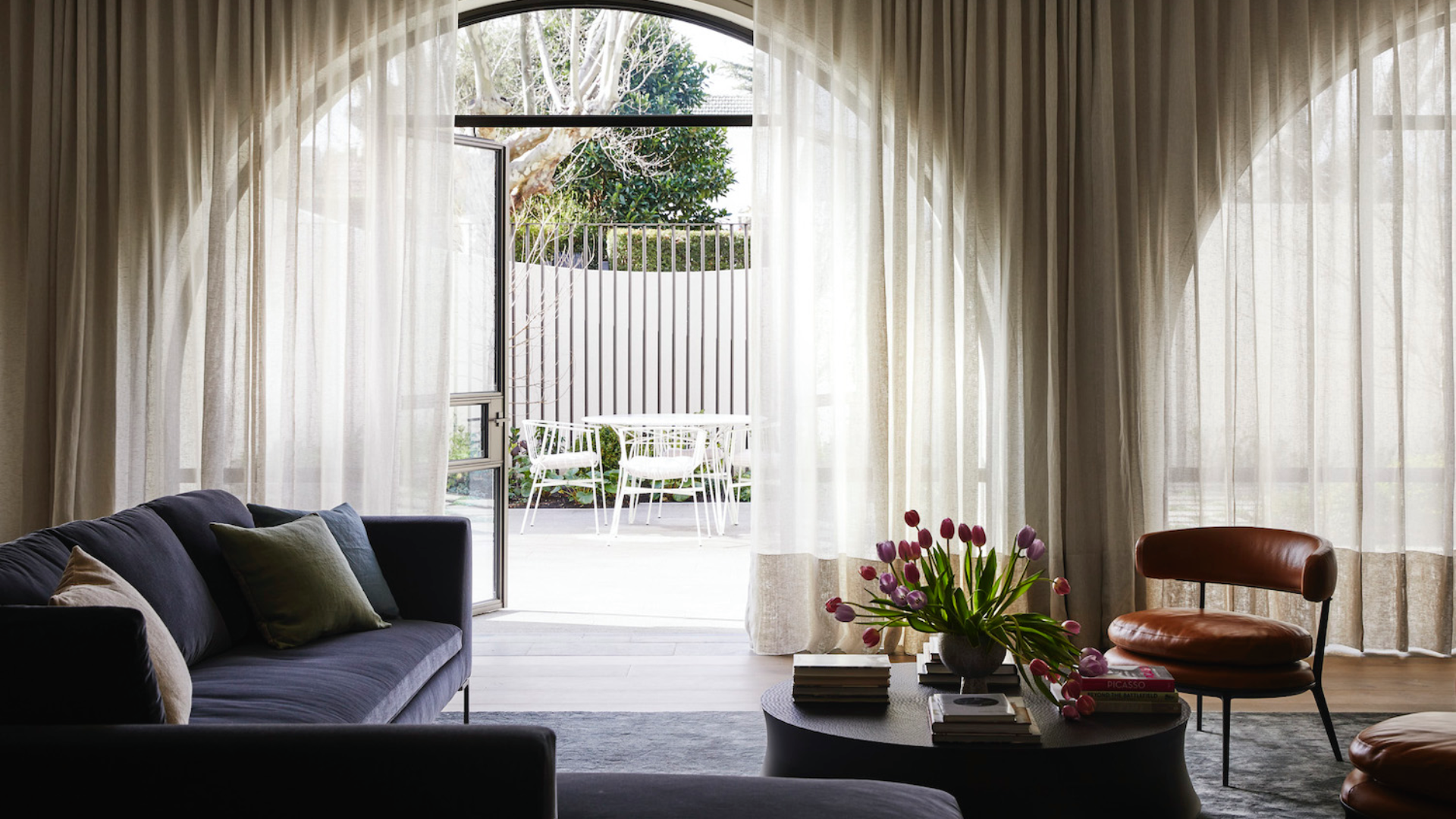
Lighting plays a key role in interior photography for real estate, especially in a vibrant market like the Gold Coast. A perfectly lit photograph can make a room appear larger, warmer, and more inviting, drawing potential buyers in. On the flip side, poor lighting can obscure a property's best features and misrepresent the space. Whether it’s the peaceful glow of natural sunlight or the consistent brightness of artificial lights, mastering these lighting nuances can significantly enhance real estate listings.
As photographers and agents continue to showcase homes on the Gold Coast, addressing lighting issues becomes a necessity rather than a luxury. Proper lighting can highlight spacious rooms, create a welcoming atmosphere, and improve the overall quality of listings. It's not just about getting a shot; it's about conveying the essence of a home. By focusing on lighting strategies, professionals can ensure their property photos attract attention and interest.
Understanding Common Lighting Issues
Interior photography for real estate often encounters specific lighting challenges that, if not addressed, can impact the image quality significantly. Here’s a look at some common problems:
- Shadows: Unwanted shadows can obscure key details and distort perceptions. They often occur when there's inadequate light distribution, causing some areas to be excessively dark.
- Uneven Lighting: This happens when there's an imbalance between natural and artificial light sources, leading to some parts of a room appearing washed out while others remain dim.
- Color Casts: These occur when different light sources introduce varying color temperatures, leaving parts of a photo with unwanted hues and tints. For instance, fluorescent lamps might cast a bluish shade, altering the true colors of a room.
These challenges can lead to photographs that are less appealing and do not accurately reflect the property's true potential. Imagine showcasing a beautiful, spacious living room only for its elegance to be overshadowed by poor lighting. Addressing these issues is essential to present properties in their best light, ensuring that photos are both attractive and accurate.
Natural Light vs. Artificial Light
Choosing between natural and artificial light is often the first hurdle in interior photography. Natural light, with its warm tones and gentle diffusion, is perfect for creating an inviting and authentic atmosphere. It can enhance textures and materials, giving depth to spaces. However, relying solely on natural light isn’t always feasible, especially at dusk or on overcast days. This is where the sun might not provide the brightness or consistency needed.
- Benefits of Natural Light:
- Provides soft and even lighting
- Enhances colours and creates a natural look
- Helps capture the true essence of furnishings
- Drawbacks of Natural Light:
- Can be unpredictable due to weather changes
- Limited during certain times of the day
Artificial light can complement natural light or independently highlight interior features. Using the right combination of both allows control over shadows and visibility, ensuring that no corner of the room is left in the dark. To maximize the use of natural light, shoot during the golden hours, just after sunrise or before sunset. To complement with artificial lighting, strategically place lamps or flash units to fill in shadows and bring out details.
Tools and Techniques for Better Lighting
To achieve better lighting in your interior shots, having the right tools and applying the correct techniques are key. The right equipment can transform an image from dull to captivating, making a room look more spacious and inviting.
Essential Lighting Equipment:
- Softboxes: Soften harsh light and reduce shadows
- Reflectors: Bounce light into darker areas, ensuring even illumination
- LED Lights: Provide consistent and adjustable lighting
By positioning your lights thoughtfully, you can focus on uplifting features like fireplace mantels or kitchen islands, ensuring these elements receive adequate attention. Keep lights at an angle to avoid harsh reflections and use diffusers to scatter light smoothly across the room. Another technique involves bouncing light off walls to achieve a more natural look, akin to sunlight filtering in through windows.
Ensuring Your Gold Coast Properties Shine
Lighting is pivotal for capturing the allure of a home. The right techniques can breathe life into spaces, revealing their true charm and potential. Photos taken with well-balanced lighting not only present the property accurately but also enchant potential buyers. Connecting with the mood and feel of a home helps prospects imagine themselves living there.
By taking control of your lighting choices, you can create a vivid and appealing portrayal of property interiors. Each room, whether a kitchen bathed in morning light or a tranquil lounge glowing with subtle artificial light, tells a specific story. Achieving this requires a blend of skill, the right tools, and a keen eye for detail.
It’s all about finesse when crafting the perfect interior photographs. Elevate your real estate photos from ordinary to extraordinary by investing time in lighting solutions. Whether it’s blending natural with artificial light or employing cutting-edge accessories, every effort leads to a final picture that makes Gold Coast properties shine.
Whether you're working to refine your photography style or aiming to market a property more effectively, good lighting makes all the difference. To get the best results, explore how Focl Media can support your goals with interior photography for real estate that captures every space at its best.