

Overcome Lighting Challenges in Property Shots.
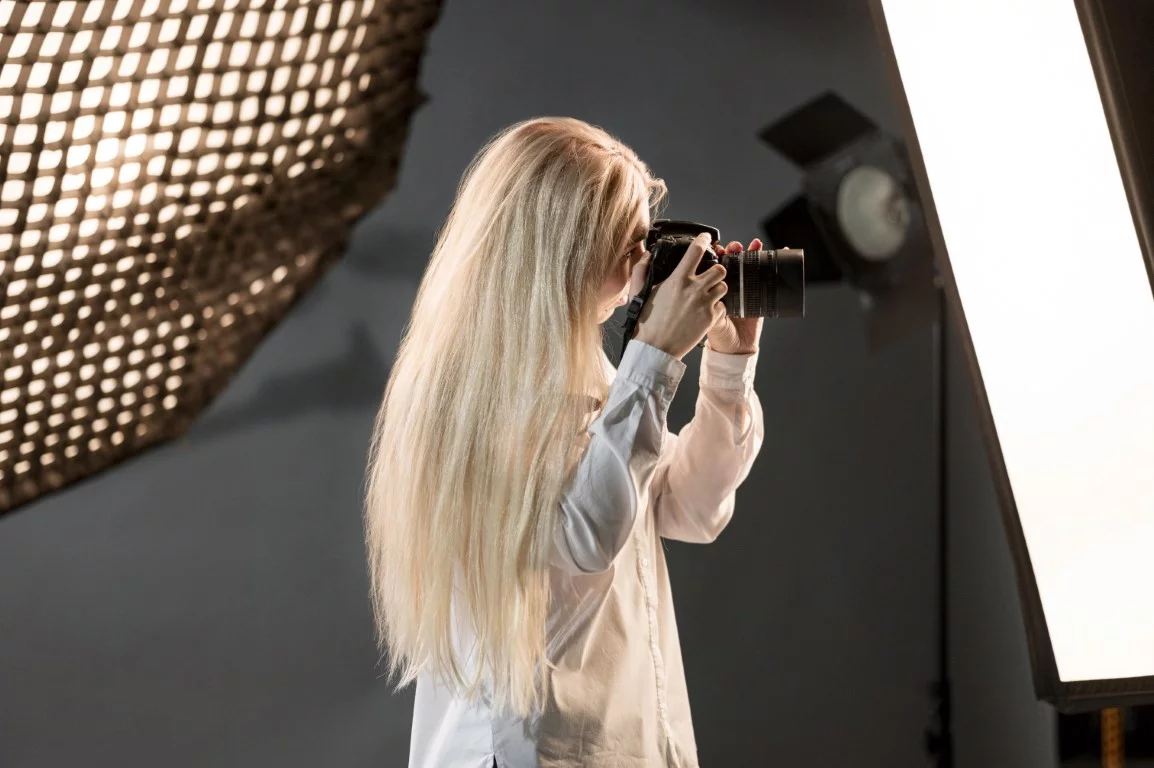
Capturing the perfect property image requires much more than just pointing a camera and clicking the shutter. One of the key elements that can make or break a photo is lighting. Getting it right is crucial when showcasing properties, especially for listings in vibrant areas like the Gold Coast. With the beautiful yet challenging natural environment, photographers often face hurdles in managing lighting effectively, which can significantly affect the quality and appeal of their images.
When the lighting isn't optimal, even the most stunning properties can look dull or uninviting. On the other hand, the right lighting can highlight architectural features, enhance colours, and create a mood and ambiance that make properties look truly enticing. This article explores strategies for overcoming these challenges, offering practical solutions to help photographers refine their techniques and capture properties in the best light.
Understanding the Lighting Challenges in Property Photography
In property photography, lighting challenges come in various forms. One common issue is achieving consistency in how a property's features appear. Rooms with large windows might look bright and airy, while adjacent spaces seem gloomy, creating a disjointed visual experience. The strong Australian sun can also cause harsh shadows and overexposure, especially in open outdoor areas or rooms with many windows.
Poor lighting not only diminishes photo quality but can also convey the wrong impression. For instance, a dimly lit living room might seem smaller and less inviting. And for those photographing Gold Coast properties, the challenge is even more pronounced. The stunning natural backdrops and bright sunlight require careful balancing to capture clear, vibrant images without washed-out details.
Here are some common lighting issues photographers might face:
- Overexposure: Bright light can bleach out details in photos, making them appear flat.
- Harsh shadows: Strong, directional light can cast unflattering shadows both outside and inside.
- Colour imbalance: Different light sources, like daylight and incandescent bulbs, can produce inconsistent colours in pictures.
- Reflective surfaces: Glare from windows or glossy surfaces can distract from key features in a photo.
Understanding these challenges is the first step in managing them. Recognising how and when these issues occur allows photographers to adopt strategies that mitigate their impact, ensuring that each photo captures a property's true potential.
Maximizing Natural Light
Making the most of natural light is one of the best techniques for beautiful property photos. Choosing the right time for a shoot is vital. Early mornings and late afternoons, often referred to as the "golden hours", provide soft, warm light that enhances the aesthetics of a property. This gentle sunlight minimizes harsh shadows and adds a pleasant glow to the images.
Indoors, arranging rooms to let more light in can be helpful. Opening curtains or blinds fully, using light-coloured furnishings, and strategically placing mirrors can significantly boost the amount of natural light in a room. Outdoor shoots can benefit from capturing the property with the sun behind it, reducing glare and making the structure stand out against the sky.
To enhance natural light, consider these tips:
- Open all windows and doors where possible to allow sunlight to stream in.
- Utilize reflective surfaces, like mirrors, to bounce light around a space.
- Position the camera to take full advantage of the available light, focusing on the room's brightest aspect.
Tools such as light diffusers can also tame overly bright spots, ensuring that the light appears evenly distributed. By skillfully using natural light, photographers can create inviting images that capture the welcoming appeal of a home while showcasing its best features against the beautiful Gold Coast backdrop.
Utilizing Artificial Lighting Solutions
While natural light is ideal, sometimes it isn’t possible to rely solely on it, especially in areas with limited sunlight. This is where artificial lighting steps in as a valuable tool for photographers. Using the right equipment can transform poorly lit spaces into inviting, vibrant rooms.
Consider these essential lighting tools:
- Speedlights: These are portable and offer great control over light direction.
- Softboxes: These help diffuse light, providing a softer, more even glow.
- LED panels: Known for their flexibility and energy efficiency, they offer adjustable brightness and colour temperatures.
Balancing artificial with natural light is key. Combining both can help avoid harsh shadows and glaring spots. For instance, placing a softbox near a window can illuminate a dark corner without overpowering the natural sunlight coming through. When arranging artificial lights, remember to position them strategically to highlight the home's features. Up-lighting can draw attention to architectural elements, while backlighting a piece of furniture can create depth and interest.
Post-Processing Tips for Lighting Adjustments
After capturing the images, post-processing becomes an opportunity to finesse the lighting further. Basic editing techniques can correct issues like underexposure, ensuring every shot looks its best. There are various software options available to help enhance photos. Finding one that suits your workflow and style is important.
Here are some post-processing tips:
- Adjust brightness and contrast to highlight details.
- Use the colour balance tool to correct any discrepancies in colour tones.
- Employ noise reduction features to ensure smooth, crisp images from higher ISO settings.
It's vital to maintain a natural look during editing. While boosting colours and smoothing shadows can enhance a picture, over-editing might make images appear artificial. Aim to keep edits subtle so that the final images reflect the true feel of the space.
Adapting to Different Weather Conditions
Weather can be unpredictable, but it doesn't have to derail your photography plans. Each weather condition offers unique lighting challenges and opportunities. Overcast days, for example, can provide soft, diffused light that’s perfect for shooting exteriors without harsh shadows.
Try these strategies for various weather scenarios:
- On rainy days, embrace the atmospheric quality rain provides. Focus on cosy indoor settings or take advantage of reflections in puddles for creative shots.
- For sunny days, use window coverings or sheers to filter intense sunlight indoors, creating a softer, more inviting light.
- When the weather changes unexpectedly, having flexible plans can help. Consider having portable lighting equipment at hand to adjust to varying light conditions.
By adopting these approaches, you'll be better equipped to handle the lighting challenges specific to Gold Coast properties. Through careful planning and skilful use of techniques, photographers can consistently create images that resonate with viewers and truly capture the essence of the properties.
Achieving the ideal shot in property photography often comes down to mastering lighting techniques. By blending natural and artificial light, using post-processing tools, and working around changing weather, it’s easier to capture the real charm of your Gold Coast home. To sharpen your skills and see how Focl Media can support you with property photography, explore our services today. Bring out the full potential of every photo and make your listings stand out.