

Troubleshooting Interior Photography Setup.
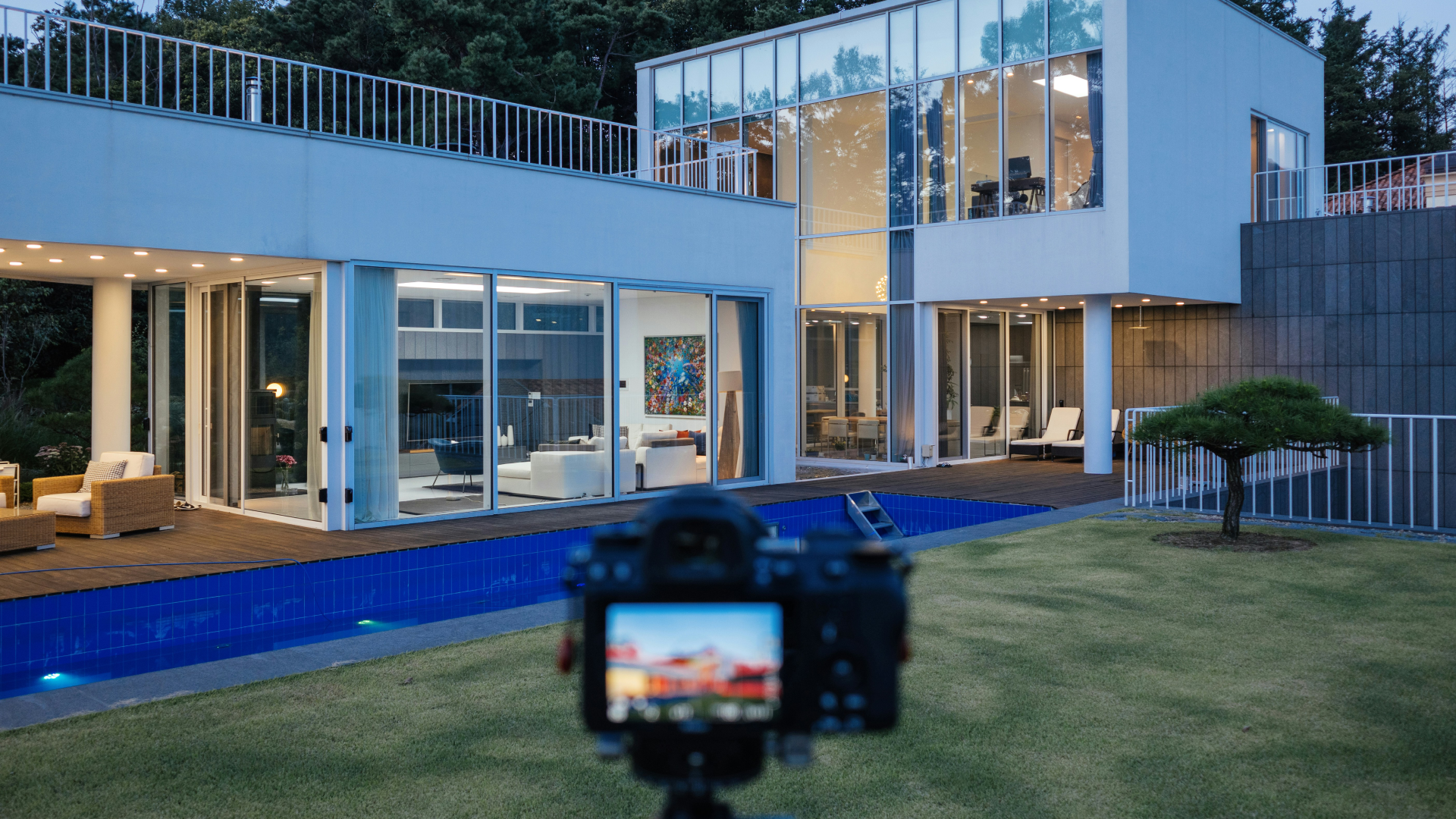
Interior photography is a key player in the real estate market, showcasing homes in their best light and attracting potential buyers. Capturing the essence of a home through interior photography can make all the difference in a competitive setting. However, ensuring your setup is flawless can sometimes be tricky. From lighting mishaps to space constraints, photographers might face various hurdles, particularly when dealing with homes. But as with any creative endeavour, knowing how to troubleshoot these issues can transform a challenging task into a fulfilling one.
Imagine walking into a beautifully arranged Gold Coast home, ready to capture its charm. Yet, the shadows are all off, or your equipment isn't cooperating. While these challenges can be frustrating, they're not insurmountable. With some savvy tips up your sleeve, you'll be well-prepared to tackle these common issues head-on. Let’s explore how you can address these frequent hurdles effectively to enhance your interior photography for real estate.
Common Lighting Issues and Solutions
One of the most frequent challenges in interior photography is lighting. Poor lighting can make even the most stunning rooms look drab or unwelcoming. Fortunately, there are ways to counteract these difficulties and make your images pop.
- Identify Lighting Problems: Often, homes have inconsistent lighting. You might find areas that are too bright or too dark, creating unappealing contrasts. An easy fix is to assess the natural light at different times of the day and plan your photo shoot accordingly.
- Using Natural Light: Take advantage of natural light by opening curtains and letting sunlight flood the room. Early mornings or late afternoons can provide a warm glow that adds a cozy touch to your photos.
- Artificial Lighting: When natural light isn't enough, artificial lighting can step in. Try using softbox lights or LED panels to eliminate shadows and ensure even lighting across the room. Just be cautious of reflections and glare, especially on shiny surfaces like floors or countertops.
By understanding how to work with both natural and artificial lighting, you can create balanced, attractive images that showcase a home's true potential. With practice, you’ll find the best combination of lighting that transforms each space into a stunning visual story.
Dealing with Space Limitations
Small or cramped spaces can be a real hurdle when photographing interiors. They can limit your movement, making it harder to find the right angle or capture the whole room. But there are ways to work around this without giving up quality.
Wide-angle lenses can be your best friend in tight spaces. They're perfect for capturing more of the room, giving a sense of openness that can be very appealing in photos. Try positioning your camera in the corners of the room. This often provides a fuller view, and using a tripod helps maintain stability for those longer exposure shots.
Decluttering is another effective trick. Removing personal items and unnecessary furniture can make a room seem bigger than it is. Creating a clean, spacious look not only enhances the room visually but also makes the property more inviting.
Overcoming Equipment Malfunctions
Even the best equipment can falter, and knowing how to respond quickly is key. Here are some common equipment issues and how you might tackle them:
- Camera Malfunctions: If your camera doesn't turn on, it could be as simple as replacing or recharging the battery. Always carry spares to avoid such hiccups.
- Lens Problems: Dust on your lens can ruin photos. A regular cleaning routine with a microfiber cloth can prevent this.
- Tripod Troubles: A wobbly tripod can sabotage your shots. Ensure it's on a flat surface and all locks are secured.
Having backup equipment like chargers or extra memory cards can save the day. Preparing before a shoot helps ensure setbacks won’t disrupt your workflow.
Addressing Composition and Framing Challenges
Composition is as important as any technical aspect of photography. A well-composed photo draws in viewers and highlights the home's best features. Understanding basic composition rules can greatly enhance your shots.
The rule of thirds is a simple guideline where an image is divided into nine equal parts with two equally spaced horizontal and vertical lines. The idea is to place key points of interest along these lines or their intersections. This technique creates balance and interest in your photos.
Another helpful approach is using leading lines and natural frames, like doorways, to draw attention to specific areas of the room. This guides the viewer’s eye through the space in a natural way.
Creating Picture-Perfect Interiors
Mastering interior photography involves understanding the nuances of lighting, space, equipment, and composition. By applying these practical tips, you'll not only overcome common challenges but also capture stunning images that truly represent each home’s personality. Embrace these strategies and watch how they elevate your real estate photography to new heights.
Ready to take your interior photography to new heights? Focl Media offers excellent solutions for all your property photography needs. Explore how our interior photography for real estate can beautifully showcase your property and attract potential buyers. Let our expertise transform your vision into stunning reality.